
 Risk Free Assessment



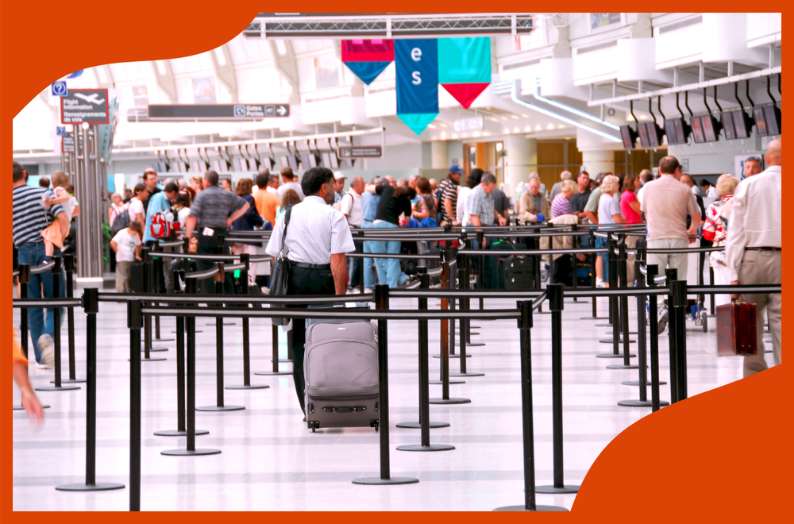
The idea of traveling alone can feel exciting and overwhelming at the same time. If you’re blind or losing your sight, it’s normal to have a long list of questions before your first solo trip. Airports, security, finding your gate, navigating a new city, and getting around safely can feel like a lot to manage on your own.
If this is something you want to do, you’re not unrealistic or reckless for thinking about it. Many blind travelers take solo trips every year. It’s absolutely possible. It just works best when you plan ahead and give yourself permission to ask for support along the way.
Preparing for Solo Travel When You’re Blind
Good preparation can ease a lot of anxiety before you even leave home. You don’t need to plan every minute of your trip, but covering the basics can prevent you from scrambling in unfamiliar places. Before traveling, it helps to think through:
- Your documents and how you’ll keep them organized
- Internet access, such as an international phone plan or eSIM
- Offline and online maps
- A portable power bank
- Primary and backup payment methods
- Headphones or earbuds
- Local currency, if needed
Having these essentials in place can make unfamiliar situations feel more manageable.
Navigating Airports and Flights as a Blind Traveler
Airports can feel intimidating, especially if you’re traveling alone for the first time. The good news is that airlines and airports are generally set up to provide assistance from start to finish if you request it.
When booking your flight, you can let the airline know that you’re a blind passenger. This makes it easier to receive help on the day of travel. At the airport, staff can assist with checking in, going through security, navigating to your gate, and boarding the plane.
During security screening, staff will guide you through the process, explain where to place your belongings, and return your cane after screening. You’re allowed to keep your mobility tools and you can ask questions at any point if something isn’t clear.
Once at the gate, sitting near the desk and making sure staff know you’re there can help ensure smooth boarding. On the plane, flight attendants can show you where restrooms, exits, and safety equipment are located. Many people find it helpful to keep their cane easily accessible during the flight.
What to Expect After Landing
After landing, assistance is often available to help you off the plane, get to baggage claim, and reach your pickup point or transportation. Some travelers prefer to follow the crowd and ask for help only if needed, while others request assistance the entire way. There’s no right or wrong choice. You can opt for whatever helps you feel most comfortable.
If you’re checking luggage, it helps to be able to describe your bag to someone who’s assisting you. Adding identifying features, such as a textured strap or distinctive accessory, or using a tracking device can also make locating your luggage easier.
Getting Around a New City Safely
Transportation is one of the biggest concerns for many blind travelers. Ride-share services like Uber or taxis can be a reliable option, especially when you’re focused on getting from the airport to your hotel. Public transportation can also be an option if you’re familiar with the system or willing to ask for assistance from drivers or staff.
Navigation apps can be helpful, especially when paired with audio cues. Many people rely on a mix of tools: apps, asking for directions, and listening closely to their surroundings. There’s no shame in requesting help at intersections or unfamiliar places.
Staying in areas that feel safer and well-populated can also provide peace of mind. If something doesn’t feel right, it’s okay to change plans.
Managing Anxiety When Traveling Alone
Even experienced travelers can feel anxious when routines change. Fear of getting lost, missing a stop, or ending up in a difficult situation is common.
One helpful approach is thinking through worst-case scenarios and realizing that most of them are inconvenient, not dangerous. Missing a stop, needing to ask for help, or taking an unexpected route can be frustrating, but you will be okay.
Carrying extra cash, knowing how to contact assistance, and reminding yourself that you can ask questions at any point can help keep anxiety from taking over.
Safety and Confidence While Traveling
Keeping valuables secure, using front pockets or bags that close, and staying aware of your surroundings can help reduce risk. If you feel uncertain in a particular area, asking for assistance or adjusting your plans is a smart choice, not a failure.
Confidence doesn’t mean doing everything alone. It means knowing when to ask for help and trusting yourself to make decisions that keep you safe.
You Don’t Have to Do Everything Perfectly
Traveling alone while blind is completely doable and can even give you a great confidence boost. Give yourself the opportunity to experience new places in a way that works for you. Things may not go exactly as planned and that’s okay. Most people you encounter are willing to help and many travel challenges are easier than they seem once you’re in them. If solo travel is something you want to try, start with a trip that feels manageable. Build confidence over time. And remember, you are capable of navigating the experiences that you want to have. Follow along on our blog for more helpful tips, advice, resources, and stories that educate, inspire, and empower.