
 Risk Free Assessment



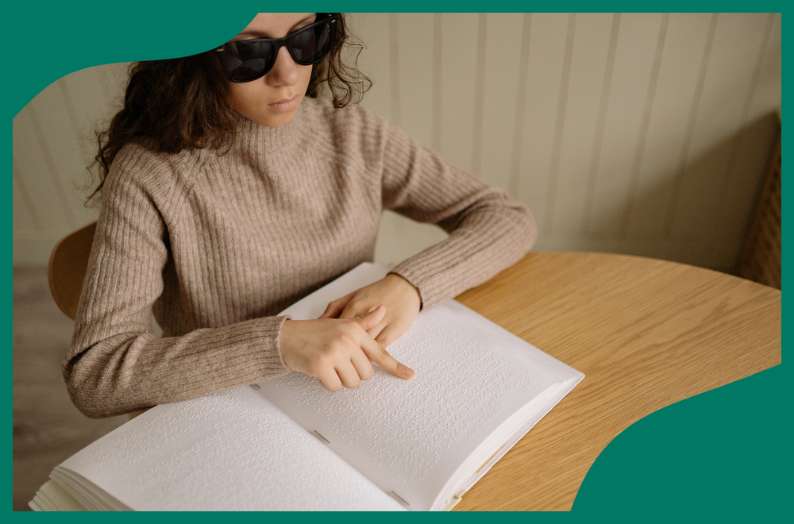
If you’re blind or in the process of losing your sight, the idea of having your own place might bring up a mix of pride, fear, excitement, concerns about safety, independence, and whether you’re ready. While living alone is a huge accomplishment and a milestone worth celebrating, it is also totally normal if you feel terrified at first. It’s normal to feel anxious about living alone, especially with limited or no vision, but it is possible. You don’t have to have everything figured out on day one.
After you move into your own place, when the boxes are unpacked and the space is quiet, you might have a moment when it all hits you and you realize, “Okay, it’s just me now.” Many of us have experienced that moment, even non-disabled individuals, so you are not alone.
Start With Safety and Boundaries
One of the biggest concerns people raise when living alone is privacy and safety, especially in apartment buildings, senior housing, or assisted living complexes. Even if you receive assistance or live in a building with staff, you are allowed to have boundaries. Unfortunately, this is not talked about enough.
When it comes to setting boundaries, the first step is to understand what you agreed to. Take time to review your lease or housing agreement, ideally with someone you trust or an advocate who can help explain anything confusing. Every housing facility will have different rules and it’s important to know what to expect.
When living alone, many individuals find peace of mind using additional tools such as:
- A door chime or audible alert that lets you know when the door opens
- A door chain or internal latch, if allowed
- Keeping valuables, medications, and personal items in lockable storage
If you begin to feel uncomfortable or unsafe, trust your instincts. Contact someone you trust as soon as possible.You deserve to feel secure in your own home, and there are disability rights organizations, housing advocates, and ombudsman programs that exist specifically to help in situations like this. You are not “causing trouble” by asking questions or requesting clarity.
Curating Your Living Environment to Accommodate You
Living alone means that you can do things your way, which may or may not align with the way you did things before. This is an opportunity to create routines that are best designed for you.
Most people who live independently with sight loss rely on a combination of consistency, tactile cues, and technology. That might look like:
- Keeping items in predictable places and asking others to return things where they found them
- Using tactile markers, such as bump dots, on appliances, microwaves, or thermostats
- Labeling items in ways that work for you, such as using textured paint, tactile markers, or scannable labels with recorded audio
Your home might not be Pinterest-perfect, but the most important part of having your own place is creating an environment that is functional, safe, familiar, and allows you to thrive.
Cooking, Cleaning, and Daily Tasks
One of the most common questions is, “Are there tools out there to help me cook independently?” And the answer is yes, of course there are.
Most of us have learned through trial, error, and a few meals that went straight to the trash can. Skills like cooking, cleaning, and organizing are learnable, and there’s no shame in getting training to learn how to do them in a way that works for you.
Things that often help:
- Liquid level indicators for pouring safely
- Talking or tactile kitchen tools
- Learning techniques that rely on sound, touch, and temperature instead of sight
- Choosing a cooking method that feels safer and lower stress, such as an air fryer or crockpot
Independent living skills training is often free through state or local programs, such as a Division of Services for the Blind. Many services will even come to your home to help you problem-solve in your actual space rather than in a classroom.
Technology Can Support Independent Living
Smartphones, voice assistants, and accessibility apps aren’t “cheating.” They’re practical tools.
Many people living alone utilize technology in various ways, including:
- Voice assistants to manage reminders, play music, and control lights
- Screen readers and OCR apps to read mail, instructions, and prescriptions
- Audiobooks, talking book libraries, and accessible entertainment to reduce isolation
- And more! Check out our article: Best Apps for Blind Users.
It’s completely normal for technology to feel overwhelming at first. Start with technology that solves the biggest problems you face on a daily basis and build from there.
You Are Never a Burden
Living alone can be daunting, and needing support or assistance does not mean you aren’t ready. You’ll learn new skills, strategies, and techniques to manage your daily life, usually alongside people you trust.
It can be easy to feel like a burden when you ask for help. Maybe you’re thinking, “I should be able to do this alone,” or “At my age, who in the world needs this type of assistance?” What we sometimes fail to remind ourselves is that we, as individuals with disabilities, face additional barriers on a daily basis.
Asking for support does not mean you are a burden. In fact, taking the initiative to ask for assistance and learn new skills doesn’t reflect a lack of ability or worth—it reflects resilience, growth, and adaptability.
So many people who are blind or have low vision live alone. They work, cook, travel, and build careers, families, routines, and lives they’re proud of. It’s not always easy, but it does become easier once you realize that learning, adapting, and asking for help is okay.
One Last Thing to Remember
If you are in the early days of living alone, fear and doubt are normal. What matters is knowing that independence doesn’t mean that you have to do everything alone. Independence involves incorporating the right tools, training, and support so you can live life to your fullest potential.
Living alone with sight loss is a process. There will be many good days, but there will also be hard days when you might feel like you’ve failed. Trust me, you haven’t. Both the good and the hard days are an essential part of learning to live independently. Over time, you will develop routines that are tailored to your needs, your skills will improve, and your confidence will grow. Just remember, you don’t need to have everything figured out on day one of living alone. Check out our blog for more articles about living independently when you’re blind.